
And It’s Not What You Think
If you’re being honest with yourself, the issue isn’t that you’re not getting leads.
You do get them.
Just not consistently.
Some weeks, inquiries come in effortlessly.
Other weeks, it’s complete silence – no emails, no DMs, no calls.
And that inconsistency is exhausting.
You start questioning your strategy.
Then your content.
Then your pricing.
Sometimes, even your ability.
I’ve worked with founders, consultants, service providers, and growing brands long enough to tell you this with confidence:
💡
Inconsistent leads are rarely a visibility problem.
They’re almost always a clarity problem — and that’s the hidden reason most people miss.
This article will help you identify what’s actually breaking your lead flow, why common tactics don’t fix it, and what needs to change if you want predictable, sustainable leads.
Table of Contents
The Real Problem Behind Inconsistent Leads
When leads fluctuate, most people assume they need to do more.
More content.
More ads.
More platforms.
More offers.
When leads fluctuate, most people assume they need to do more:
- More content
- More ads
- More platforms
- More offers
But effort isn’t the issue. Alignment is.
But effort is not the issue.
The real issue: the hidden reason for inconsistent leads is that your audience doesn’t fully understand why they should choose you.
They may like your content.
They may even trust you.
But when it comes time to take action, something doesn’t click.
That “click” is clarity.
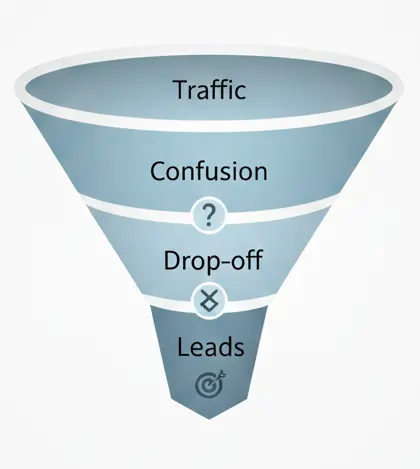
Without clarity, interest doesn’t convert into intent.
And without intent, leads don’t move forward.
This is where most lead generation problems actually begin.
Why This Happens More Than You Think
Inconsistent leads don’t come from a single mistake.
They come from a pattern of small misalignments that build up over time.
Here are the most common ones I see:
One week you’re talking about strategy. Next week, tools. Then mindset. Then trends. Each piece may be valuable—but together, they dilute your positioning. Your audience doesn’t know what to associate you with. And when people can’t categorize you, they hesitate….Hesitation kills leads.
You know what you do. You know who you help. You know the results you create. But that clarity hasn’t been translated into simple, repeatable messaging. So, prospects have to think to understand you. And people don’t convert when they have to think too hard.
Your content may be engaging, but is it speaking to people who are ready to act? Likes and saves feel good, but they don’t pay bills. If your message isn’t anchored to a specific problem with a specific outcome, it attracts interest not intent. That’s a classic lead generation problem masked as “engagement.”
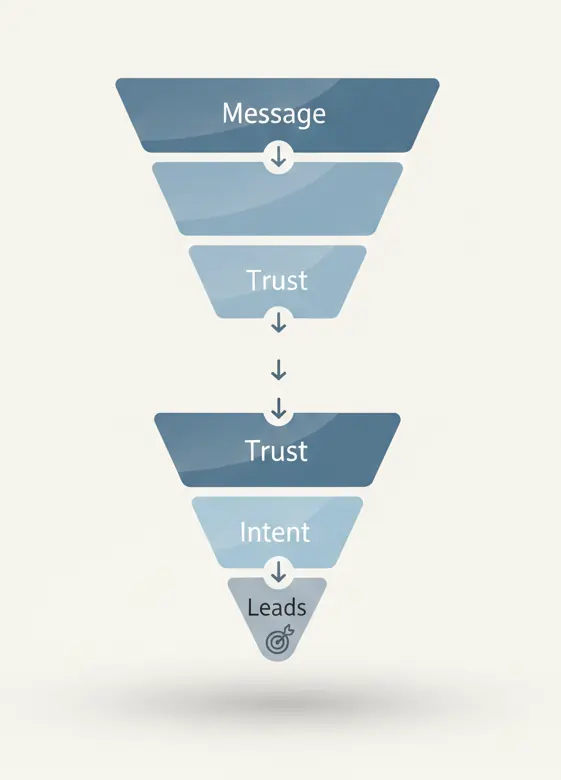
People don’t buy from brands they don’t feel connected to. If your tone, positioning, or promise feels different across platforms or even across weeks trust weakens. Trust is what turns curiosity into conversations.
The Industry Advice That’s Making It Worse
Let’s address some well-meaning advice that actually contributes to inconsistent leads.
“Just post more.”
(Posting more without message clarity amplifies confusion.)
“You need better hooks.”
(Hooks bring attention. They don’t build trust on their own.)
“Run ads to fix it.”
(Ads don’t fix unclear positioning; they expose it.)
“Offer discounts to convert faster.”
(Discounts attract price-sensitive leads, not aligned ones.)
The truth is uncomfortable but necessary:
✨ Tactics don’t create consistency. Strategy does.
And strategy starts with how clearly your audience understands your value.
The Shift That Changes Everything: From Activity to Alignment
Consistent leads don’t come from doing more. They come from doing fewer things with stronger alignment. When your message, offer, and audience are aligned, leads stop feeling random.
Here’s how that shift actually happens.
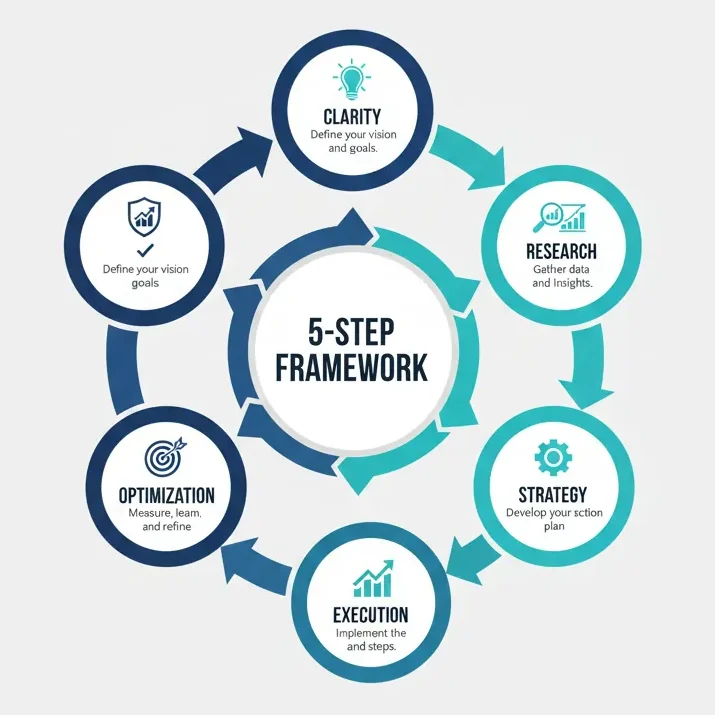
The Framework I Use to Fix Inconsistent Leads
This isn’t theory, it’s the exact approach I use when working with clients facing the same struggle.
1. Clarify the Core Problem You Solve
Not the service you offer, the problem you remove.
Instead of:
“I offer marketing services.”
It becomes:
“I help service-based brands turn attention into predictable leads.”
When your audience recognises their problem in your message, they lean in.
2. Define One Primary Outcome
Too many outcomes create confusion.
Your audience should be able to answer this instantly:
“What will change after working with you?”
Consistency grows when your promise is clear and repeated.
3. Align Content With Buyer Awareness
Every piece of content should support one of three stages:
- Problem awareness
- Solution awareness
- Decision readiness
Random content creates random leads, and strategic content builds momentum.
4. Create a Visible Path to Action
People shouldn’t have to guess what to do next.
Whether it’s a consultation, inquiry, or audit; your call-to-action must feel natural, relevant, and consistent.
Silence often comes from unclear next steps, not a lack of interest.
5. Build Trust Through Repetition, Not Reinvention
Consistency isn’t boring, it’s reassuring.
Repeating your message, clearly and confidently, builds familiarity.
Familiarity builds trust, and trust builds leads.
A Realistic Scenario You’ll Recognise
Imagine this:
You’re a skilled professional with proven results.
Your content is thoughtful.
Your website looks good.
But inquiries come in waves.
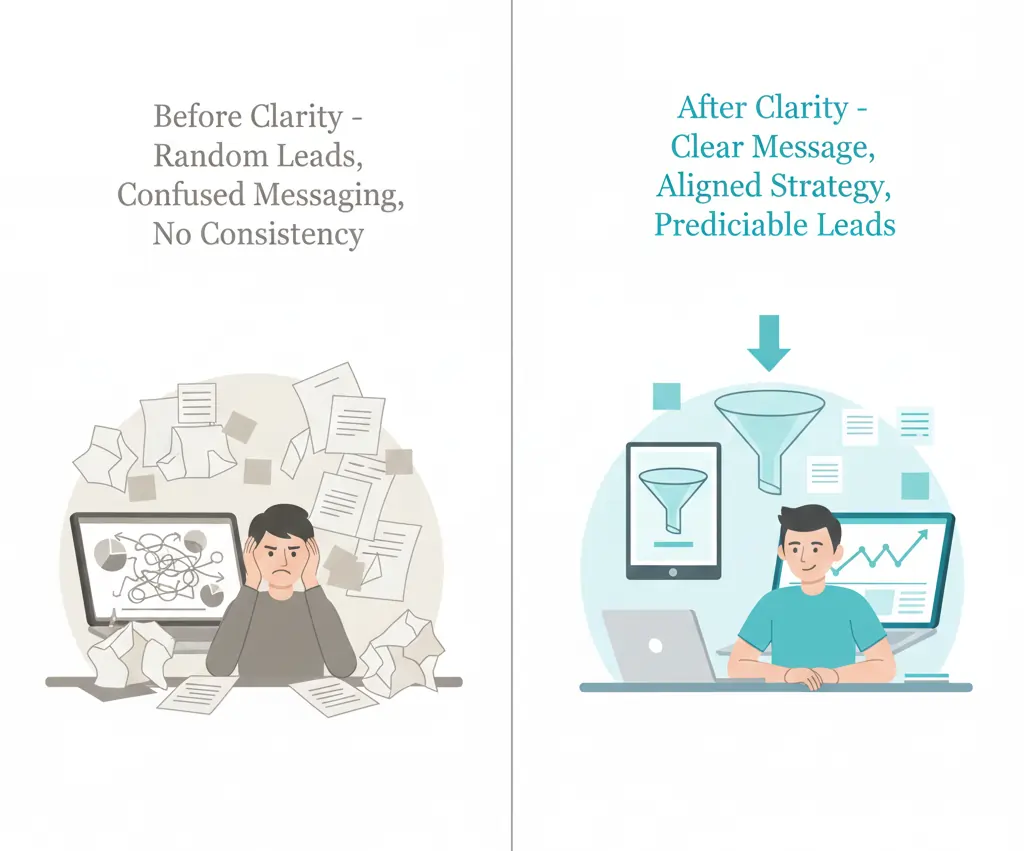
After refining messaging, aligning content with buyer intent, and simplifying the offer structure, something changes.
Not overnight, but steadily.
- Conversations feel warmer
- Prospects reference your content
- Calls start with trust, not scepticism
- Leads feel aligned, not random
That’s not luck, that’s clarity working behind the scenes.
Quick Reality Check
If your leads are inconsistent, ask yourself:
- Can a stranger describe what I do in 10 seconds?
- Do my last 10 posts reinforce the same core message?
- Is my offer obvious, or buried?
- Am I speaking to someone specific?
Your answers reveal the real issue.
Why This Is Fixable, And Faster Than You Think
Here’s the good news. Inconsistent leads don’t mean your business is broken. They mean your message needs refinement—not reinvention.
With the right strategic clarity:
- Your efforts compound instead of resetting
- Your audience understands you faster
- Your marketing feels lighter, and more effective
And that’s exactly where structured strategy makes the difference.
The hardest part about inconsistent leads isn’t the numbers; it’s the self-doubt they create.
But inconsistency isn’t a reflection of your ability. It’s a signal that something needs alignment.
Once that alignment is in place, leads stop feeling unpredictable.
They become a natural outcome of clear positioning, intentional communication, and strategic structure.
If you’re ready to fix the root of your lead generation problems, not just the symptoms you already know where to start.
Strategy doesn’t need to be loud to be effective.
It needs to be clear.
— Deeksha Goel